






1
Welcome to Darwin
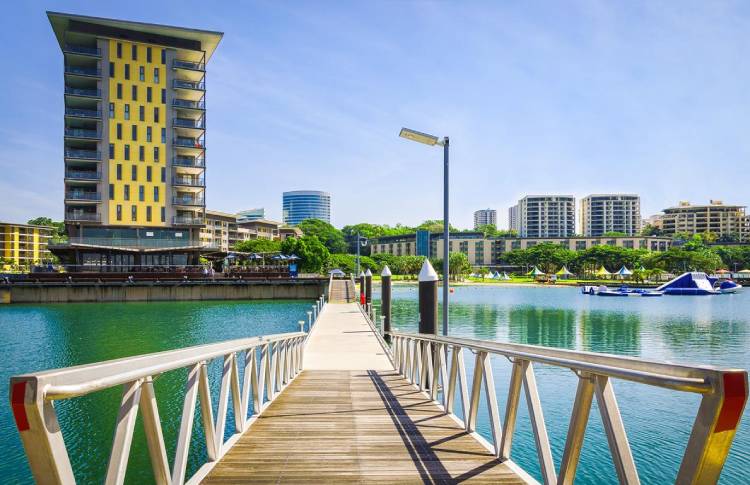
Darwin is Australia's tropical northern capital, offering a fascinating blend of frontier history, vibrant multicultural influences, and access to some of the country's most spectacular natural landscapes.
Surrounded by wetlands, rainforests and wildlife-rich waterways, it serves as the gateway to Kakadu National Park and the Top End. Visitors can relax on beaches such as Mindil Beach, explore bustling markets filled with local food and crafts, and learn about the city's remarkable resilience through its wartime history and recovery from Cyclone Tracy. With its warm climate, tropical sunsets and laid-back atmosphere, Darwin is one of Australia's most distinctive destinations.
Accommodation: Silver Cloud - 15 Nights
Please note some voyages operate in reverse.
2
Free Day at Sea
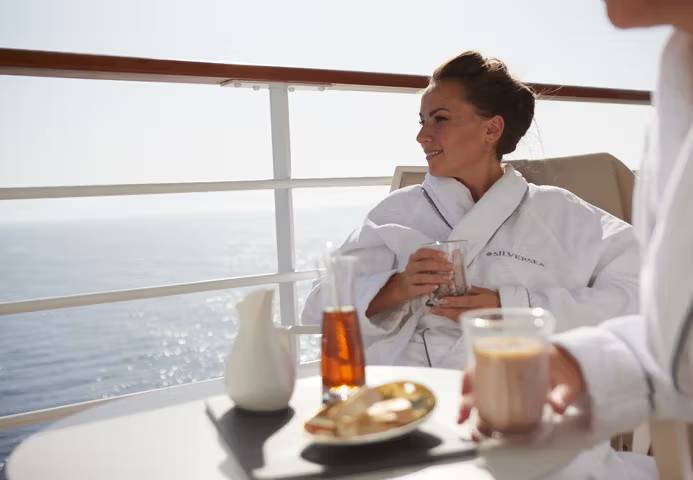
Days at sea are the perfect opportunity to relax, unwind, and catch up with what you've been meaning to do. So whether that is going to the gym, visiting the spa, whale-watching, catching up on your reading, or simply topping up your tan.
These blue sea days are the perfect balance to busy days spent exploring shoreside.
3
Koolama Bay
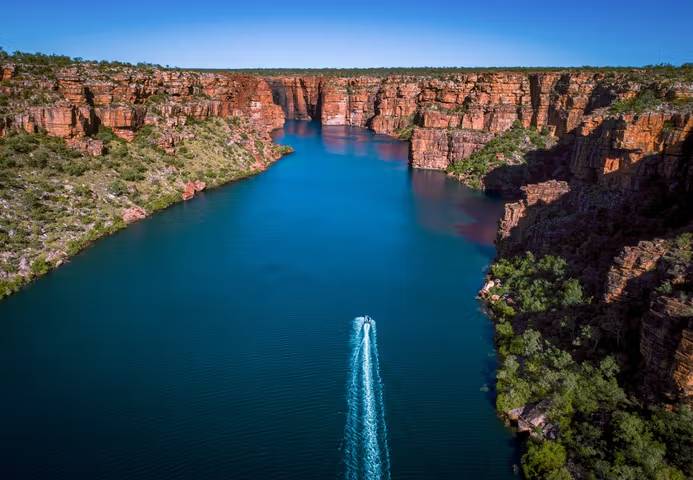
Where the Outback meets the ocean, the King George River offers one of the Kimberley’s most striking and immersive experiences.
Departing from historic Koolama Bay named after the vessel that sought refuge here during a World War II air raid guests will board Zodiacs for an unforgettable journey through winding channels framed by towering red cliffs and ancient geological formations. This exclusive cruise offers a front-row seat to the raw, untamed beauty of the region, where saltwater crocodiles bask along the banks and Brahminy Kites soar overhead. It’s not just a scenic ride—it’s a voyage through deep time, rich in history and natural wonder, revealing the wild spirit of Australia’s remote northwest.
Expedition – Included Activity
Zodiac Cruise with Silversea Expedition team
4
Swift Bay
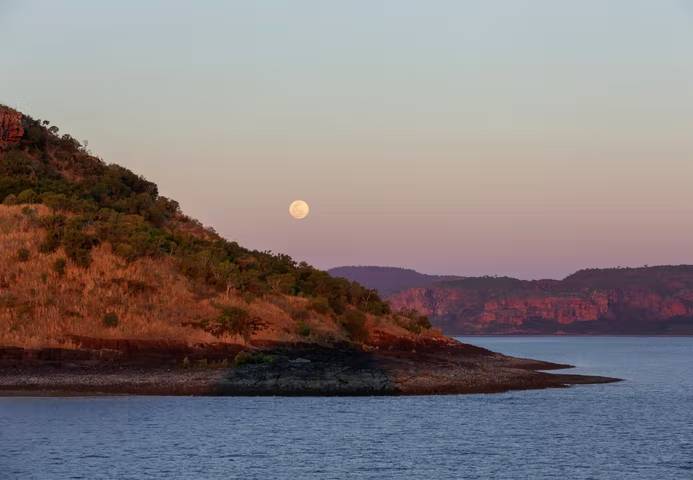
Australia’s jaw-dropping Kimberley region shelters some of the oldest collections of rock art. This ancestral art depicting warriors, animals, or nature is an authentic testimony to Aboriginal culture, rituals, and traditions.
Tranquil Swift Bay offers you the opportunity to discover astonishing Wandjina art galleries and wake up the adventurer in you. A quick zodiac ride on the turquoise water gives you a chance to admire the coast’s spectacular scenery, while a short walk across the rocky and wild landscape - 250 meters from the landing site, leads you to the historic and artistic caves.
In these ancient galleries, two different styles of rock art can be observed: the Gwion Gwion style, represented by long and skinny human-like figures, and the much rounder Wandjina style. Both are very impressive and special. You’ll need to keep your wits about you if you want to admire the most spectacular of the ancient paintings though, as it is painted on the ceiling and only visible by lying down. However, those with claustrophobia beware! The ceiling is only about a meter above your head. Those who do wiggle in to be in the best position will fully appreciate the artwork’s enormous scale and size and surely won’t be left indifferent.
5
Ashmore Reef Marine Park
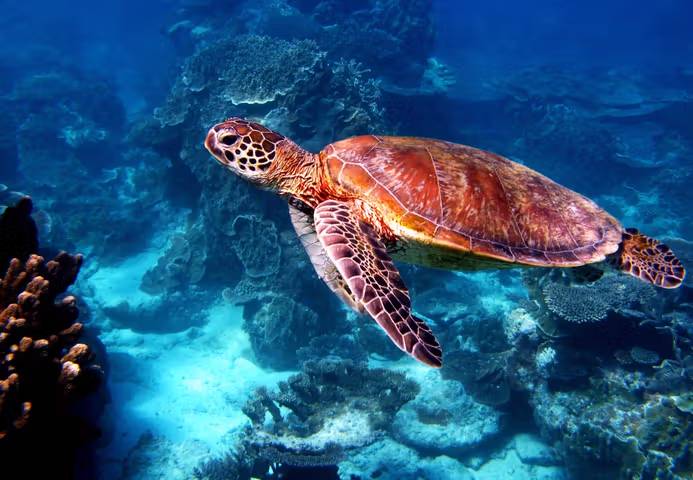
Lost in the immensity of the Indian Ocean and situated 630 km off Broome, Ashmore Reef Marine Park is an Australian External Territory that covers 583 square km.
With its diverse shades of blue, its underwater wonders, and feathery friends, this protected area is one of Australia’s most beautiful natural treasures. The three tiny islands and their surrounding waters are home to an oasis of flourishing wildlife. Ashmore Reef is known to be the favorite place of more than 40 bird species. 100,000 seabirds breed there every year, including crested terns, white-tailed tropicbirds, and greater frigatebirds.
The islands are also a haven for thousands of migratory shorebirds like curlew sandpipers, bar-tailed godwits, and great knots – some of them coming from very far places like Siberia! On the ocean side, the colorful reef is home to around 500 species of fish but also marine turtles, dugongs, and many playful dolphins. Given the rich and fragile environment, Ashmore Reef has been declared a Sanctuary zone, providing the highest level of protection for the wildlife and minimizing disturbance from human activities. Only scientific research is permitted but the visitors can access the Recreational Use Zone, which includes a small area of the West Island, and thus discover this unique place.
6
Hunter River Region (Western Australia)
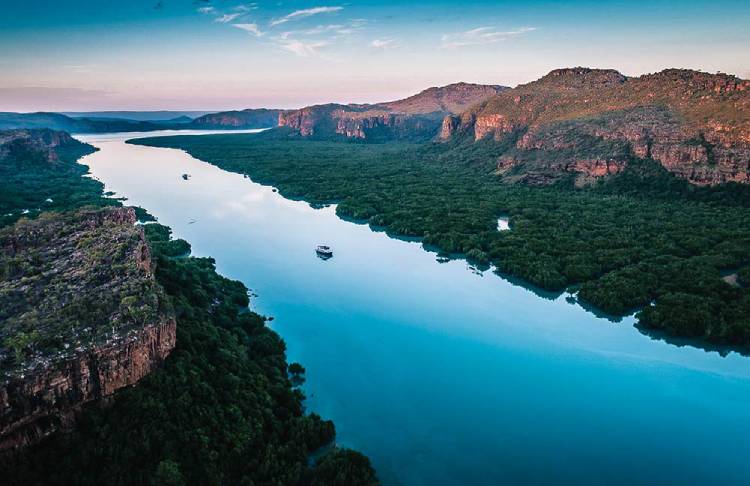
The Hunter River is home to an immense mangrove system surrounded by soaring red sandstone cliffs. Narrow mangrove channels shelter numerous bird species, mudskippers, fiddler crabs, and the infamous saltwater crocodile.
Naturalist Island at the mouth of the river has a stunning stretch of sandy beach that makes a perfect landing site for small helicopters that can pick up visitors wishing to explore some of the Kimberley's vast interior. The highlight inland is the famous Mitchell Falls where four tiers of waterfalls plunge into deep pools that flow out into the mighty Mitchell River. The headwaters of the falls are cool and a dip in the fresh water is a welcome reprieve from the heat of the heartland.
Expedition – Included Activity: Zodiac Cruise with Silversea Expedition team
Expedition – Optional Excursion: Mitchell Falls by Helicopter
7
Buccaneer Archipelago Region
Set off the coast of Western Australia, the Buccaneer Archipelago is one of the Kimberley's finest secrets. The Archipelago, 50 square kilometers (19 square miles), is made up of around 800 islands.
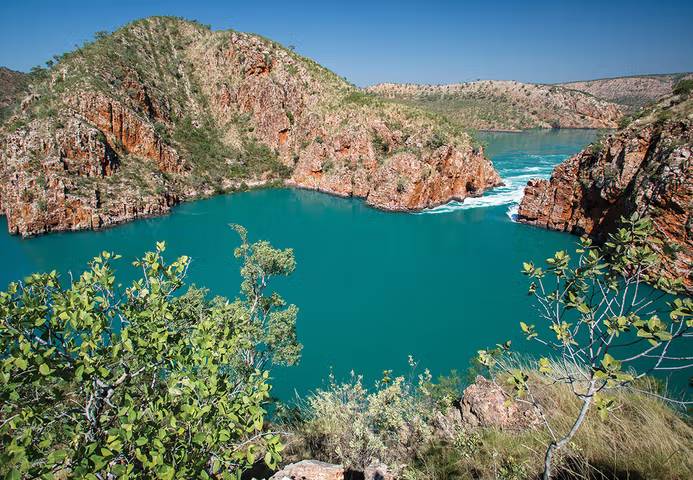
The Buccaneer Archipelago protects the mainland from the huge 12-metre tides and astonishing speed of the Yampi (or, in traditional Aborigine, “Yampee”) Sound. The speed and power of the water may not make for pleasant bathing, but do however result in fantastic natural phenomena. One fine example is the horizontal reversible waterfall in Talbot Bay. The tidal pull is responsible for the “reversible” nature of the falls, however, this also hides narrow gaps between the islands, making for treacherous sailing conditions. The scenes that unfold during a visit to Montgomery Reef are also very much tide-depending.
You may witness this astonishing marine spectacle, as the world's largest inshore reef, is transformed by some of the biggest tidal changes on Earth. Montgomery Reef, which is some 300 square kilometers in size, can show an amazing tidal change of up to 4 meters. When the tide drops, the reef seems to rise out of the water. At low tide a river is exposed that allows access to an amazing semi-submerged world. When the tide continues to ebb, Zodiacs will be used to make the way to the edge of the reef where one is surrounded by cascading waterfalls up to 3 metres high.
8
Buccaneer Archipelago Region
Continuing up the river one is able to look at the abundance of reef birds and sea creatures including turtles and manta rays. Adjacent to Montgomery Reef, but on the mainland, Freshwater Cove – locally known as Wijingarra Butt Butt.
Aboriginal guides will welcome guests with a traditional ochre welcome on the beach. The rock formations that can be seen along the shore represent spiritual ancestors relating to the great Wandjina battle. Caves with rock art are found in the vicinity, but can only be visited with local guides.
Expedition – Included Activity:
Zodiac Cruise with Silversea Expedition team
9
Broome (Kimberley)
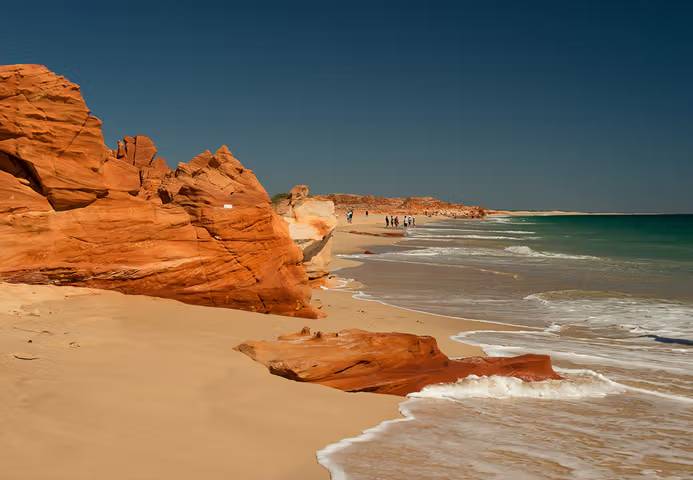
Gateway to the oldest and most elusive of all Australia’s nine regions, Broome is where your Kimberley adventure begins. The ancient landscape has long held travelers spellbound:
The Kimberley is three times larger than England but has a population of just 35,000, is over 65,000 years old, and is home to 2,000 km of coastline. Almost impenetrable, incredibly remote - the red-baked earth, prolific wildlife, majestic canyons, and swimming holes are the stuff of Australian wilderness dreams. English explorer William Dampier was the first explorer to set foot in Broome in 1668. However, the land had long been used as a trading route between East and West Kimberley for Aboriginal families. These semi-nomadic tribes respected strict unwritten rules regarding ownership of the land.
The Yawuru people remain the Native Title holders for the township of Broome to this day. Broome itself has over 84 Aboriginal communities affiliated with it, 78 of which are considered remote. The city grew from its nascent pearling industry of the late 19th century. Pearl diving was dangerous in the waters surrounding Broome and for many years divers were limited to Aboriginal slaves, skin divers who faced cyclones, sharks, crocodiles, and ear and chest infections in order to bring up as many pearl shells as possible for their masters. Natural pearls were rare and extremely valuable, and when found, were placed in a locked box. At the peak of its industry, around 1914, Broome was responsible for 80% of the world’s pearl trade.
Expedition – Included Excursions:
Narlijia Heritage and Culture
Willie Creek Pearl Farm
Kaleidoscope of Broome
Snubfin Dolphins Cruise
11
Day at Sea
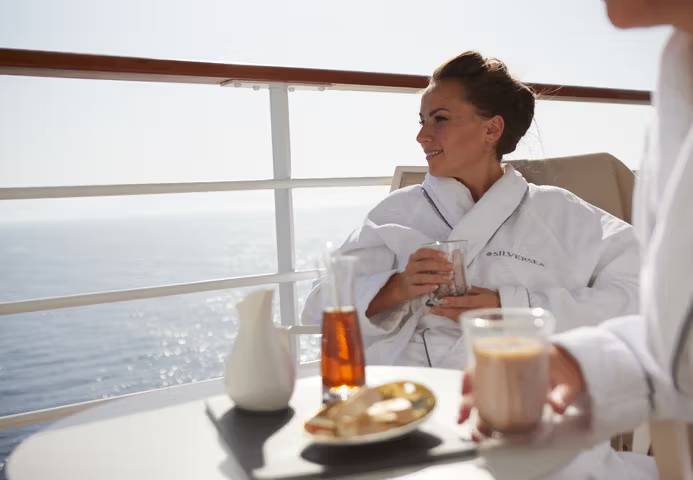
Days at sea are the perfect opportunity to relax, unwind, and catch up with what you've been meaning to do. So whether that is going to the gym, visiting the spa, whale-watching, catching up on your reading, or simply topping up your tan.
These blue sea days are the perfect balance to busy days spent exploring shoreside.
12
Dampier Archipelago
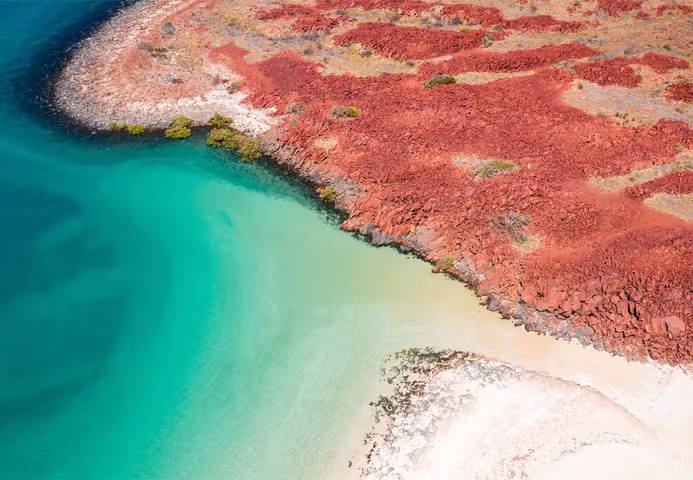
Rust-coloured rocks contrasting with pale Spinifex grass, white beaches, and aquamarine seas create a scenic kaleidoscope in the Dampier Archipelago. Forty-two islands lie around the similarly colored Burrup Peninsula.
The archipelago is named after William Dampier, the English pirate turned explorer, who was the first European visitor in 1699. But the occupation of the area is ancient. The archipelago and peninsula are known as Murujuga by the Aboriginal people. Clearly recognizable are animals and people, while mythical beings and geometric patterns require more interpretation. The Dampier Marine Park protects the archipelago’s coral reefs, sponge gardens, and seagrass meadows. A five-meter tidal range adds rocky shores and sand flats to this list of habitats.
Expedition – Included Excursion:
Expedition activities with Silversea Expedition team
13
Dampier Archipelago
Continue your exploration of the Dampier Archipelago as reefs, islands, and tidal flats reveal even more of this remarkable and resilient ecosystem.
A high biodiversity of corals and fish is matched by 1,200 mollusks. Four turtle species live in these waters including Flatback and Hawksbill Turtles. Snorkeling here reveals a rich sample of this treasure trove of life. Flora and fauna on the arid rocky islands require good adaptations. Reptiles and the shy Rothschild’s Rock Wallaby escape the midday sun in rocky overhangs. Much of the birdlife, like Ospreys and Sea-eagles, rely on the sea for food. Look for their huge stick nests on seaside rocks. Some nests are decades old, an easier time span to grasp.
Expedition – Included Activity
Expedition activities with Silversea Expedition team
14
North Muiron Island
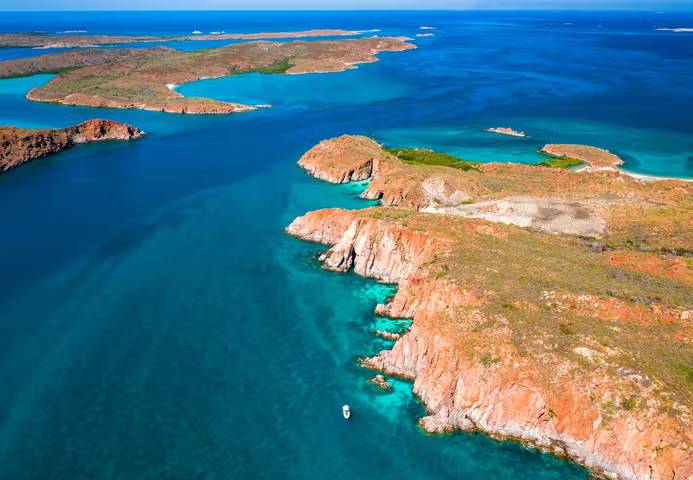
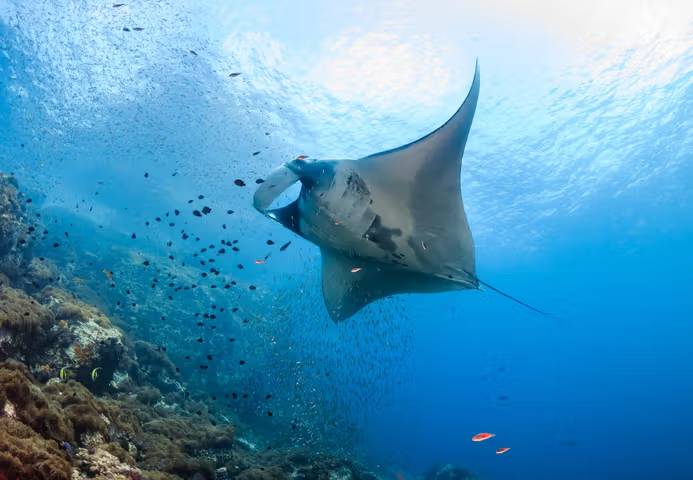
A spectacular collision of color spills across the seabed around North Muiron Island - which has to be one of the best spots in the world for snorkeling and scuba diving. Immerse yourself in this underwater universe as tiny fish flit between the corals, and elegant rays sweep gracefully past.
Sitting off the North West Cape, the two utterly unspoiled Muiron Islands are part of the UNESCO World Heritage Site listed Ningaloo Coast. Warm Indian Ocean waters collide with the cooler waters of the West Australian Current here, forming a remarkable biological hot spot that thrives with rich life and incredible diversity. These unique conditions form masses of plankton for gentle giants of the ocean to graze upon - even luring groups of the ocean’s biggest fish - colossal whale sharks. From March to July, the cows of the sea carefully vacuum the sea bed for their food. Other massive mammals, like dugongs, dolphins, and pilot whales, also drop in throughout the year. Snorkel to look into the riot of activity below the undulating waves. Spot turtles, parrotfish, and butterfly fish among the thousands of species at home in these balmy waters. A true Gem of Western Australia’s Coral Coast, the remarkable reefs of North Muiron Island serve up a brilliant banquet of color and curiosity.
15
Cape Peron, Shark Bay
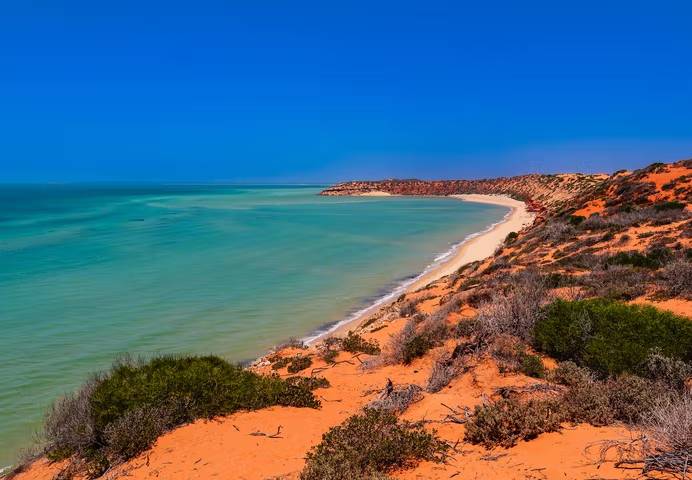
Shark Bay is Australia’s largest bay, with a beach stretching over 1,000 kilometers. François Peron National Park lies within the Shark Bay World Heritage area and adjacent to the Shark Bay Marine
Park. This is where the rust-red desert sand meets the dazzling white-sand beach and the azure waters of the sea. At the northerly tip of the national park is Cape Peron, sitting at the confluence of two major currents, the cape attracts an impressive array of marine life. Take a hike with the expedition team from Cape Peron to the Skipjack Point viewing platforms, perched on the cliff edge with views out across the marine park. Alternatively, join the expedition team for an interpretive nature walk through the impressive landscape of acacia-cloaked red dunes and arid shrublands surrounded by turquoise water with views over the coastline.
16
Abrolhos Islands
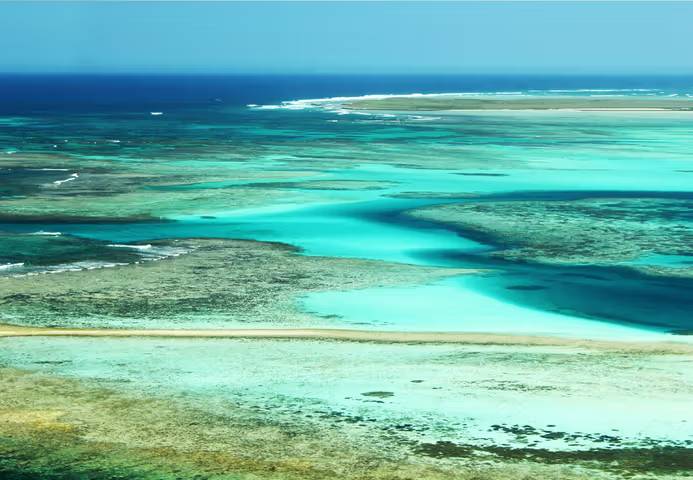
The Houtman Abrolhos Islands are shaped by dramatic contrasts. Shipwrecks and mutiny mark their human history, while the meeting of warm and cool ocean currents creates a habitat where tropical coral grows alongside cool-water species.
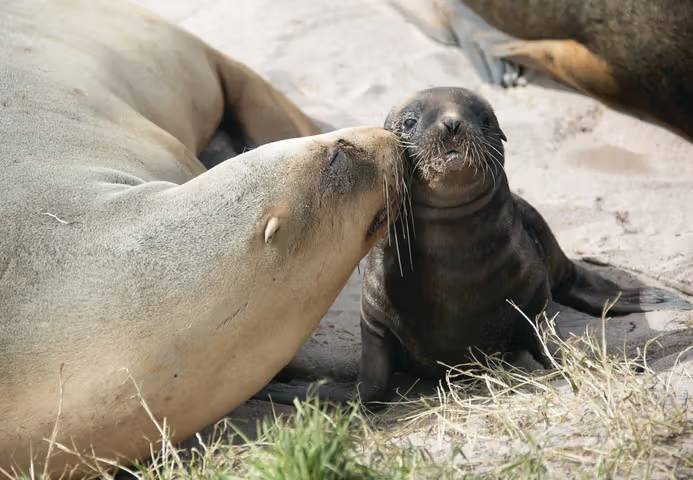
The only colony of the Australian Lesser Noddy breeds here, along with two million Wedge-tailed Shearwaters, while Australian sea lions and Western Rock Lobsters thrive in the surrounding waters. These are islands of exceptional, hard-won biodiversity.
Expedition – Included Activity
Snorkeling with Silversea Expedition team
Hiking with Silversea Expedition team
17
Abrolhos Islands
Continue your exploration of the Houtman Abrolhos Islands as you discover more of their remarkable marine life, historic wreck sites, and rich bird colonies spread across this unique island chain.
Expedition – Included Activity:
Snorkeling with Silversea Expedition team
Hiking with Silversea Expedition team
18
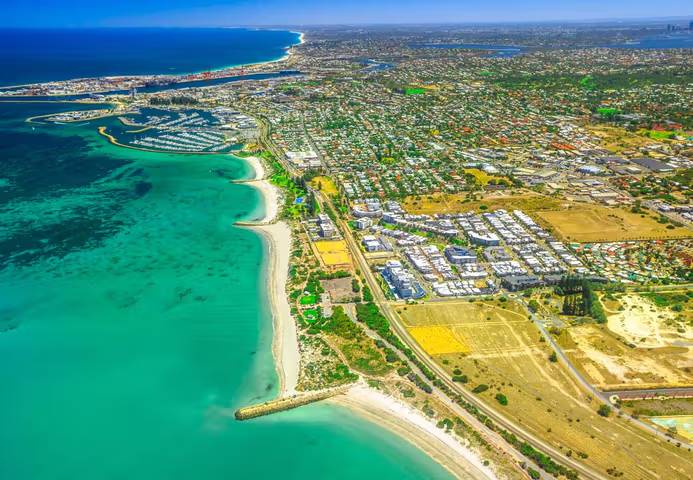
Fremantle (Perth), Western Australia
Coming in at number seven on Lonely Planet's list of best places to live, Fremantle has finally begun to shake off the shadow of neighboring big brother Perth. With just 20 kilometers separating the two cities, Perth, with its happy hippie vibe has long been the big pull for visitors to the region.
But Fremantle's colourful past and bright future gives Perth as good as it gets. The coastal city has undergone a complete revamp since the America's Cup thrust Fremantle into the spotlight in 1987. Over AUS$ 1,3 billion has been poured into revamping the city, and the fruits of the city's labor are ripe for picking. Investment in the arts has brought Fremantle to the fore of thriving urban culture, while generous grants for small businesses have led to groovy live-music rooms, hipster bars, boutique hotels, left-field bookshops, craft-beer breweries, Indian Ocean seafood shacks amid the buskers and beaches. If that doesn't sound like your glass of beer, we guarantee a stroll along the wooden riverside walkway will change your mind.
The city also enjoys another, rather different status. Fremantle was one of Australia's penal cities, vestiges of which can still be found in Fremantle Prison. Almost 10,000 convicts were condemned to life imprisonment here between 1850 and 1868, but the prison remained in use until 1991. Today, the memorable sandstone building is a UNESCO World Heritage Site and at just 15 minutes from port is well worth a visit. Just don't forget your get-out-of-jail-free card.
Please Note: The excursions/expedition activities are provided as a sample of what may be offered on this voyage and are subject to change. When you set off on one of Silversea’s Expedition Cruises you’re going on an adventure. The extreme weather in these remote, rarely-visited regions can be unpredictable, so embrace the unexpected if your planned itinerary and flights change while the Captain and Expedition Leader navigates the best route for your journey at the best time.

What Elizabeth says about this tour: What makes this Silversea expedition so special is the opportunity to explore one of the world’s last great wilderness coastlines in complete comfort. Sailing from Darwin to Fremantle, you'll discover the spectacular Kimberley region with its towering red cliffs, ancient Aboriginal rock art, pristine reefs, remote islands and abundant wildlife, all while enjoying Silversea’s exceptional luxury and personalised service. It’s an unforgettable journey that combines adventure, natural beauty and five-star expedition cruising in one remarkable voyage.
Enquire Now